The Experts

Investor signposts: week beginning 8 November 2009
The big picture
Data on retail spending is published every month, but it is the quarterly estimates that provide the most valuable insights. Not only are these estimates less volatile than the monthly numbers, but detailed figures are provided on the volume of goods actually purchased as well as price changes.
Actually it is the price changes, or the measures of retail inflation, that really stand out in the latest September quarter figures. The actual volume of goods purchased in the quarter fell by 0.4 per cent but the value of the goods sold fell even further, down 0.6 per cent. That means that prices went backwards in the September quarter – deflation – with prices falling by 0.2 per cent after a 0.1 per cent increase in the June quarter.
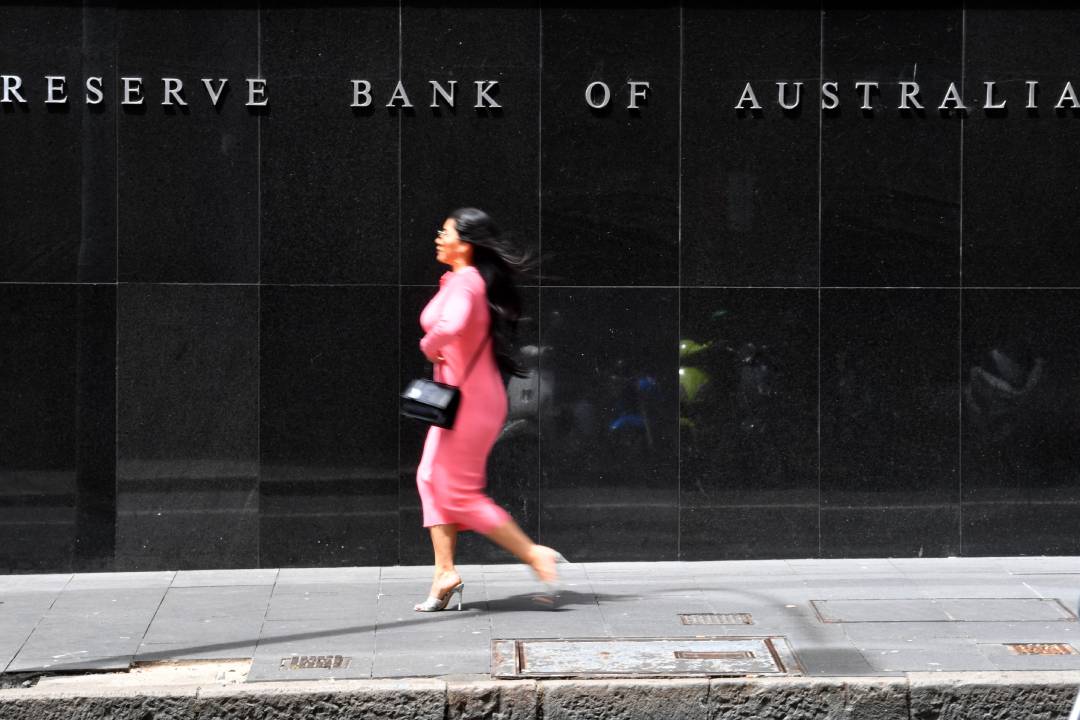
That was the first drop in retail prices in five years with annual inflation easing from 3.2 per cent to 2.3 per cent. But more importantly, the annualised rate of inflation for the past six months was -0.2 per cent. While this wouldn’t be lost on the boffins at the Reserve Bank, it certainly wasn’t picked up by the host of private sector economists.
No matter where you look, it is clear that inflation is largely non-existent. That is why the Reserve Bank is only cautiously lifting rates, and why it may very well sit out the December board meeting.
The biggest fall in prices in the quarter occurred in food retailing (down 0.8 per cent) but there was also deflation in a raft of other groups. For instance prices for toys, games and entertainment media fell by 1.1 per cent, prices of shoes fell by 3.4 per cent, and pharmaceutical goods were cheaper by 0.8 per cent.
So what did we buy in the latest quarter? Well, it is clear that we were pre-occupied with food. Spending at supermarkets rose by 1.2 per cent while takeaway food sales were up by 3.8 per cent. But spending in most of the other retail categories fell. The combination of discounting and government stimulus caused people to spend up big in the June quarter and as a result Aussie consumers took a breather over the September quarter.
One area that has been consistently weak is newspaper and books, with spending falling in real terms in each of the past four quarters to be down a record 16.3 per cent on a year ago. Spending on hardware and garden supplies also fell 3.7 per cent over the past year with sales at butchers, bakers and fruit and veg shops down 3.4 per cent. In contrast, real spending at liquor stores is up 12.9 per cent on a year ago with takeaway food sales up 10.6 per cent and pharmacies up 8.4 per cent.
Overall, retail trade fell by 0.4 per cent in real terms in the September quarter, but after a 1.9 per cent surge in sales in the June quarter – the biggest in two years. Putting the two quarters together the 0.8 per cent average growth is broadly in line with longer five-year average. So there are few ominous warnings from the drop in sales over the quarter. The $64 question is where spending goes from here. But as evidenced by the surge in car sales in October, lower prices plus increased job security should equal a good Christmas for retailers.
Another busy week lies ahead for investors with six key economic indicators to be released in addition to two talks by Reserve Bank officials. It’s touch and go whether the Reserve Bank will lift rates again at the December meeting, but there should be a lot more clarity once Friday rolls around.
On Monday, the Olivier and ANZ job advertisement surveys will be released together with housing finance data. And Reserve Bank Assistant Governor Philip Lowe is a panel discussant at a conference. On Tuesday the NAB business survey is released while the head of domestic markets at the Reserve Bank, John Broadbent, delivers a speech. On Wednesday consumer confidence and lending finance figures are released while the monthly job report is issued on Thursday.
The September figures on job advertisements were clearly encouraging with both the Olivier and ANZ surveys recording gains of around four per cent for the second straight month. A third consecutive gain in job ads would cause more analysts to revise down their estimates for the peak in the jobless rate.
We believe that the jobless rate is close to peaking, if it hasn’t already. Certainly all eyes will be on Thursday’s job figures. In September, more than 40,000 jobs were created with the unemployment rate fell from 5.8 per cent to 5.7 per cent. The result was clearly a surprise because there is usually a lag between job advertisements and employment. So further gains in employment look to be in the pipeline in coming months.
We expect that employment lifted by 10,000 in October. If the participation rate didn’t change then the jobless rate may have edged up from 5.7 per cent to 5.9 per cent. But overall a peak in the jobless rate somewhere around six per cent appears likely.
In terms of the lending figures, new home loans may have lifted by five per cent in September as first home buyers sought to lock in purchases before the phase down of the government grant. The key question is whether consumers and businesses also sought to lock in new loans in September ahead of a prospective rate increase.
Of the other data, business conditions and confidence were probably little-changed in October while consumer confidence probably eased a touch in response to the latest rate hike.
In the US, the economic cupboard is largely empty. The September trade figures are released on Friday, but the data doesn’t have the same attraction for investors as in the past. A trade deficit around US$31.5 billion is expected after a US$30.7 billion shortfall in August. And consumer sentiment (also Friday) may have edged slightly higher in November, lifting from 70.6 to 71.5.
Certainly the focus will be on the Federal Reserve over the week with five speeches by key officials scheduled.
There are just eight weeks until the end of the year, so a recap is in order. Currently the broad All Ordinaries index has risen by just over 23 per cent since the start of the year with the ASX 200 up 21 per cent. If the share market didn’t budge for the next eight weeks, it would be the best year for the share market since 2006. Indeed the All Ords will just need to lift two per cent to post the best gain in four years, and rise just over four per cent to notch up the strongest gain in 15 years.
Just six of 570 stocks – the four major banks plus BHP Billiton and Rio Tinto – have accounted for 57 per cent of the gains in the All Ords. Add in Wesfarmers, Woodside Petroleum and Macquarie Bank and 67 per cent of the broader market gains would have been covered.
Only six of the 20 sectors are lower now than at the start of the year, the weakest being telecoms, down 14 per cent. The standout sector has been retailing, up 82 per cent over 2009, followed by banks, up 52 per cent. Within retailing, JB Hi-Fi is up 114 per cent, followed by David Jones, up 64 per cent and Harvey Norman up 50 per cent.
The Reserve Bank has never lifted cash rates three months in a row. And while this is only the fourth tightening cycle, there are good reasons for the Reserve Bank strategy. Simply it gets down to giving policy the chance to work. If the Reserve Bank just lifted rates month after month, it wouldn’t know until much too late whether it had gone too far in lifting rates.
We believe the Reserve Bank should follow its tried and tested approach and leave rate settings unchanged in December. The Reserve Bank is already well ahead of other central banks, there are still all manner of risks in the global economy and the high Australian dollar will work to slow the economy and keep inflation low. At this stage the economy was probably flat in the September quarter – in fact it may have gone backwards slightly – even more reason for caution on interest rates.
Consolidation appears the key theme on financial markets. In the share market, key indices lifted six per cent in early October before retreating six per cent. And now equity markets are trading sideways. The same trend appears in place on the currency market. The Aussie dollar has held between US89-93 cents over the past month and the currency has shown no tendency to break out of the range in the past week.
Important information:This content has been prepared without taking account of the objectives, financial situation or needs of any particular individual. It does not constitute formal advice. For this reason, any individual should, before acting, consider the appropriateness of the information, having regard to the individual’s objectives, financial situation and needs and, if necessary, seek appropriate professional advice.
Published: Monday, November 09, 2009
blog comments powered by Disqus