The Experts

Investor signposts - week beginning 6 December 2009
The big picture
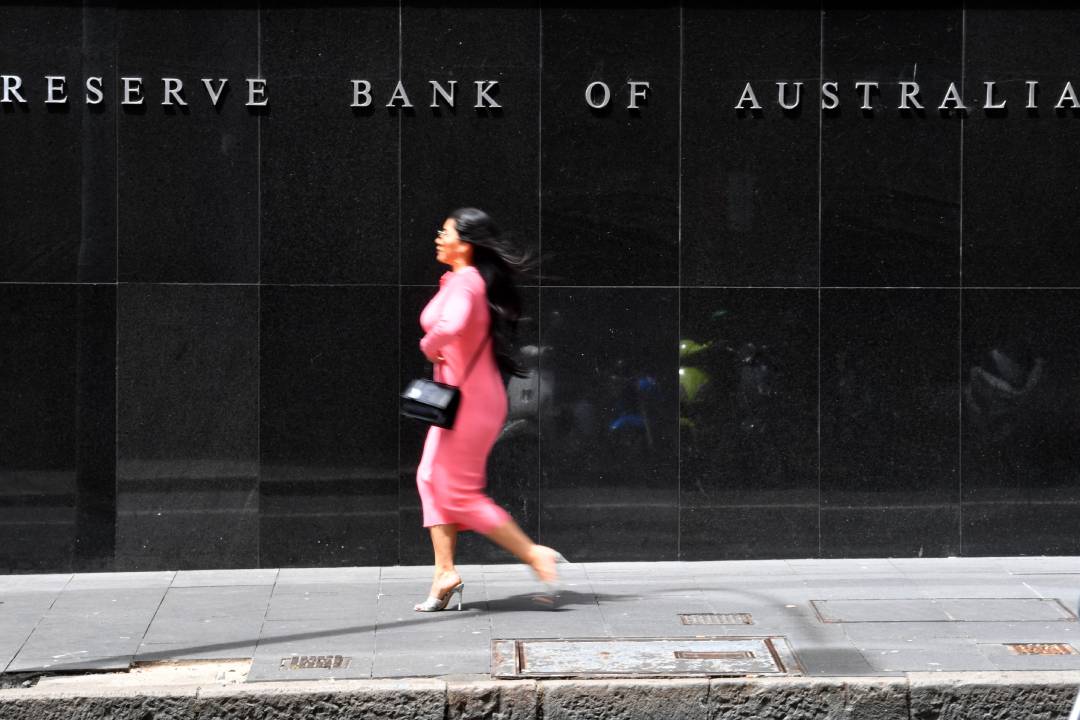
With interest rates on the rise, the question on everyone’s minds is where will the Reserve Bank stop? Rates have now risen for three consecutive months and the Reserve Bank is giving few hints that it is ready to pause.
It’s always important to keep in mind that it is the level of interest rates that matter for the economy, not the change in rates. While some borrowers may have been disappointed that rates were lifted again this month, the cash rate is still super low at 3.75 per cent. Before the global financial crisis the lowest that rates had ever fallen was 4.25 per cent. So even with the latest move, the cash rate remains below previous lows.
And the latest rate hike is hardly causing significant pain for Aussie households. The latest information from our parent, Commonwealth Bank, is that over 90 per cent of home loan customers are still ahead in their loan repayments. And if any recent borrower is facing hardship with the cash rate at 3.75 per cent, it suggests that they probably shouldn’t have taken out a loan in the first place.
So where will the Reserve Bank stop? The low point for the cash rate in the last interest rate cycle was 4.25 per cent, so the Reserve Bank will probably feel a little more comfortable when rates get to that level. The last thing the Reserve Bank wants is a repeat of the US experience where interest rates stayed too low for too long, resulting in risky lending practices and an ensuing financial crisis.
The generally assumed target for the cash rate is five per cent – the supposed ‘neutral’ level of interest rates – a rate that the RBA believes isn’t either stimulating the economy or serving to slow it down. But while five per cent may have been an appropriate neutral setting in the past, it is probably too high in the current circumstances.
There are two reasons why the ‘neutral’ rate is closer to 4.5 per cent than five per cent. One is the Aussie dollar, currently near US93 cents rather than the long-term average of US70 cents. The stronger dollar is working to slow tourism, manufacturing and export sectors while keeping a cap on inflation.
The other reason is interest rate margins. On average over the past 10-15 years the variable housing rate has been around two percentage points above the cash rate. Currently that gap is around 2.8 percentage points. If the housing rate rises another 75 basis points it will be back at the decade average. But the cash rate would need to rise another 150 basis points to return to its decade average.
The bottom line is that while interest rates may have still some way to go to get back to normal, the Reserve Bank may be a lot closer to that level than many think.
Another bumper week of economic data is in store – marking the last major week of data releases for the year. After the coming week, the only key outstanding indicator is economic growth (GDP), released on 16 December.
On Sunday and Monday, the Olivier group and ANZ will release figures on job advertisements. The NAB business survey is issued on Tuesday together with balance of payments statistics and ABARE’s Crop Report while the Reserve Bank Governor also delivers a speech that night. On Wednesday, consumer sentiment, international trade and housing finance are all released. And on Thursday employment figures will be released while Reserve Bank Assistant Governor Guy Debelle delivers a speech.
Each week, usually one or two indicators tend to stand out, but all the data, surveys and speeches warrant attention. Overall, the economic data could prove mixed. Business and consumer sentiment probably changed little over the past month while new housing finance likely fell by 3.5 per cent and new employment is expected to have lifted by around 15,000. Meanwhile net exports (exports less imports) probably reduced economic growth by 0.9 percentage points in the September quarter and another large trade deficit near $1.9 billion is tipped to have occurred in October.
In terms of guidance for the next interest rate setting meeting in February, the forward-looking data on job advertisements will get most attention. Job ads rose solidly in August and September before easing in October. While the anecdotal evidence suggests that hiring has re-commenced, another drop in ads would raise concerns about the strength of the job market, and in turn, consumer and housing spending.
Of course economists will be hoping that the Reserve Bank hierarchy will drop some hints on rates. But Glenn Stevens and Guy Debelle are probably going to focus on hot-button issues like housing, inflation and the health of the global financial system.
The big focus on the international front will be the deluge of Chinese economic data released on Friday.
In the US the indicator that will dominate attention over the coming week is retail sales, with November data released on Friday. The performances of individual retailers have been mixed, but on balance US consumers are estimated to be spending cautiously. US economists tip a 0.5 per cent lift in November sales.
Other indicators to watch over the coming week include wholesale inventories (Wednesday), International trade and the Federal Budget (Thursday) with trade prices and consumer sentiment issued on Friday. In addition, New York Federal Reserve president William Dudley delivers a speech on Monday.
With interest rates on the rise, investors will be putting more scrutiny on the dividend yields on offer from major companies. Currently the average dividend yield for the ASX 200 stands at 3.71 per cent – broadly in line with the cash rate – but at the lowest levels in almost two years (since December 2007). Certainly current yields are a far cry from the record high of 6.85 per cent set in January.
Currently across the ASX100 or top 100 companies, 55 companies have a dividend yield below the current cash rate. But on the other side of the coin, 16 companies currently have a dividend yield above eight per cent with real estate investment trusts, telcos, utilities and toll-roads dominating the list. But surprisingly two casinoand gaming stocks are on the list – Tabcorp with a 9 per cent yield and Tattersall’s at 8.6 per cent.
Interest rate changes are generally seen from the borrowers’ point of view, not savers, which is a little odd. In fact the latest data shows that household financial assets stand at $2.2 trillion, still swamping loans totalling $1.3 trillion. And non-equity financial assets of companies stand at $679 billion, outpacing loans totalling $594 billion. The rising interest rate environment that has been in place since late July has been incredibly positive for investors, while arguably the lift in interest rates for borrowers has been absorbed with little pain.
Back in July an investor would have been lucky to get two per cent on a 12-month term deposit whereas today returns over five per cent are entirely achievable. But for home borrowers the modest lift in the cash rate in the past three months merely takes back the November 2008 rate cut. Rates were cut a further 325 basis points in the period from September 2008 to April 2009.
Currencies and commodities
According to the Reserve Bank, Australian commodity prices rose for the fourth straight month in currency-neutral SDR (Special Drawing Rights) terms in November. Base metals have clearly led the gains in recent months, up 60 per cent since the lows in February. But rural prices have also provided a solid contribution, up 13 per cent over the same period.
The problem for Australian commodity producers is that the strong Australian dollar has negated all the price gains. The RBA commodity index hit a 27-month low in Aussie dollar terms in October before edging up slightly in the past month. Amazingly commodity prices have gone full circle and are now back at the same levels held two years ago, when measured in SDR or Aussie dollar terms.
Important information:This content has been prepared without taking account of the objectives, financial situation or needs of any particular individual. It does not constitute formal advice. For this reason, any individual should, before acting, consider the appropriateness of the information, having regard to the individual’s objectives, financial situation and needs and, if necessary, seek appropriate professional advice.
Published: Monday, December 07, 2009
blog comments powered by Disqus